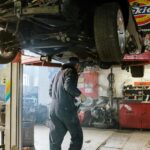
Preparing Your Car for Winter: Essential Tips for a Safe Season. As winter approaches, it becomes increasingly important to ensure that your vehicle is adequately prepared for the harsh conditions that lie ahead. With colder temperatures, snow, and ice, taking proactive steps to maintain your car can prevent breakdowns and enhance safety on the road. This comprehensive guide outlines key areas to focus on, enabling you to enjoy a worry-free winter driving experience.
Inspecting Your Tires: A Critical Step
One of the most vital aspects of preparing your car for winter is inspecting your tires. Properly functioning tires not only provide better traction but also ensure your safety while driving on slippery roads.
Below are essential considerations when evaluating your tires:
- Tread Depth: First and foremost, check the tread depth of your tires. Ideally, winter tires should have a tread depth of at least 3mm to guarantee optimal grip on snow and ice.
- Tire Pressure: Additionally, cold weather can cause tire pressure to drop significantly. Regularly monitoring and adjusting your tire pressure will help maintain performance and fuel efficiency.
By addressing these points, you can enhance your car’s ability to navigate winter conditions with confidence.
Checking Fluids: Keep Your Engine Running Smoothly
Another crucial component of winter car preparation is ensuring that your vehicle’s fluids are at appropriate levels. Fluids play a significant role in maintaining engine performance and preventing potential issues. Here’s what to keep in mind:
- Antifreeze: Verify that your antifreeze levels are sufficient to prevent your engine from freezing. This fluid is essential for regulating your engine’s temperature.
- Oil: Use winter-grade oil, which is specifically formulated to perform well in lower temperatures. This will help your engine operate smoothly even in the harshest conditions.
Maintaining proper fluid levels can prevent breakdowns and extend the life of your engine during winter.
Battery Care: A Key Element for Cold Starts
A well-functioning battery is essential for starting your car on frigid mornings. Cold temperatures can adversely affect battery performance, making it imperative to assess its condition. Here are steps to consider:
- Inspect Terminals: First, check that the battery terminals are clean and free from corrosion, which can hinder performance.
- Test Voltage: Next, have the battery’s voltage tested to ensure it holds a sufficient charge. If your battery is over three years old, consider replacing it to avoid being stranded.
By ensuring your battery is in good condition, you can increase your chances of a hassle-free start every time.
Enhancing Visibility: Windshield and Wipers
Visibility is paramount during winter driving, as snow, ice, and fog can severely impact your ability to see the road ahead. Proper maintenance of your windshield and wipers is essential for safe driving. Here’s what to do:
- Winter Washer Fluid: Use washer fluid that is rated for low temperatures to prevent it from freezing.
- Wiper Replacement: Regularly check the condition of your wiper blades, and replace them if they show signs of wear. Effective wipers ensure a clear view of the road.
Taking these steps can significantly improve your visibility and overall driving experience during the winter months.
Conclusion: Stay Safe This Winter
In conclusion, preparing your car for winter involves several crucial steps that can enhance your safety and ensure a smoother driving experience.
By inspecting your tires, checking fluids, maintaining your battery, and enhancing visibility, you can tackle winter conditions with confidence.
Remember, proactive maintenance not only protects your vehicle but also provides peace of mind while on the road. Embrace the winter season knowing that you have taken the necessary precautions to keep yourself and your passengers safe.